How do you grip, aim and prepare your darts for a consistent throw?
23-04-2026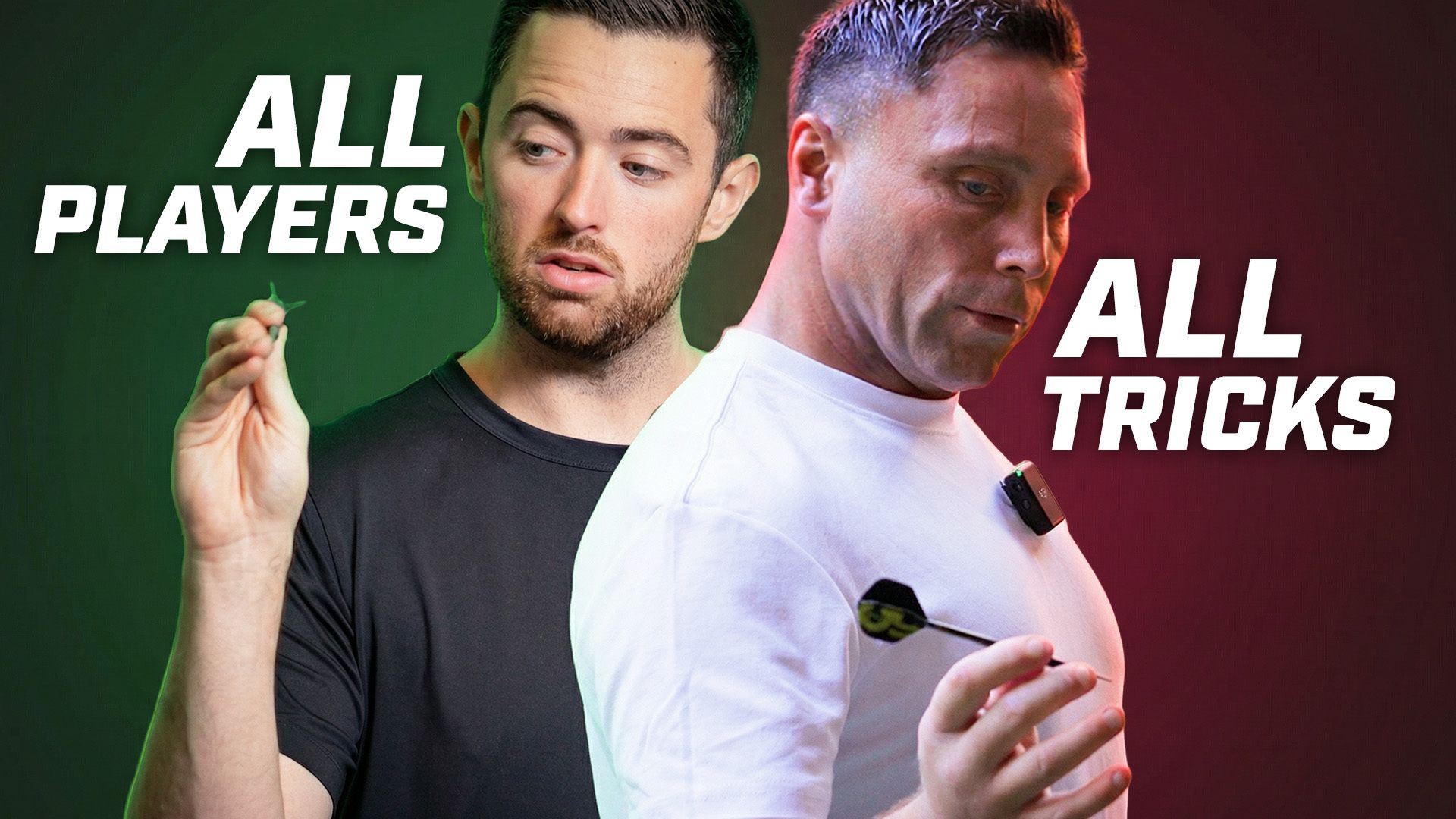

Short answer: A consistent dart throw starts with a relaxed grip, controlled aiming and simple preparation. Most players perform best with a light grip using 2 to 3 fingers, focusing on release timing rather than force. Keeping your movement simple and repeatable, like players such as Rob Cross and Gerwyn Price, leads to better accuracy and consistency.
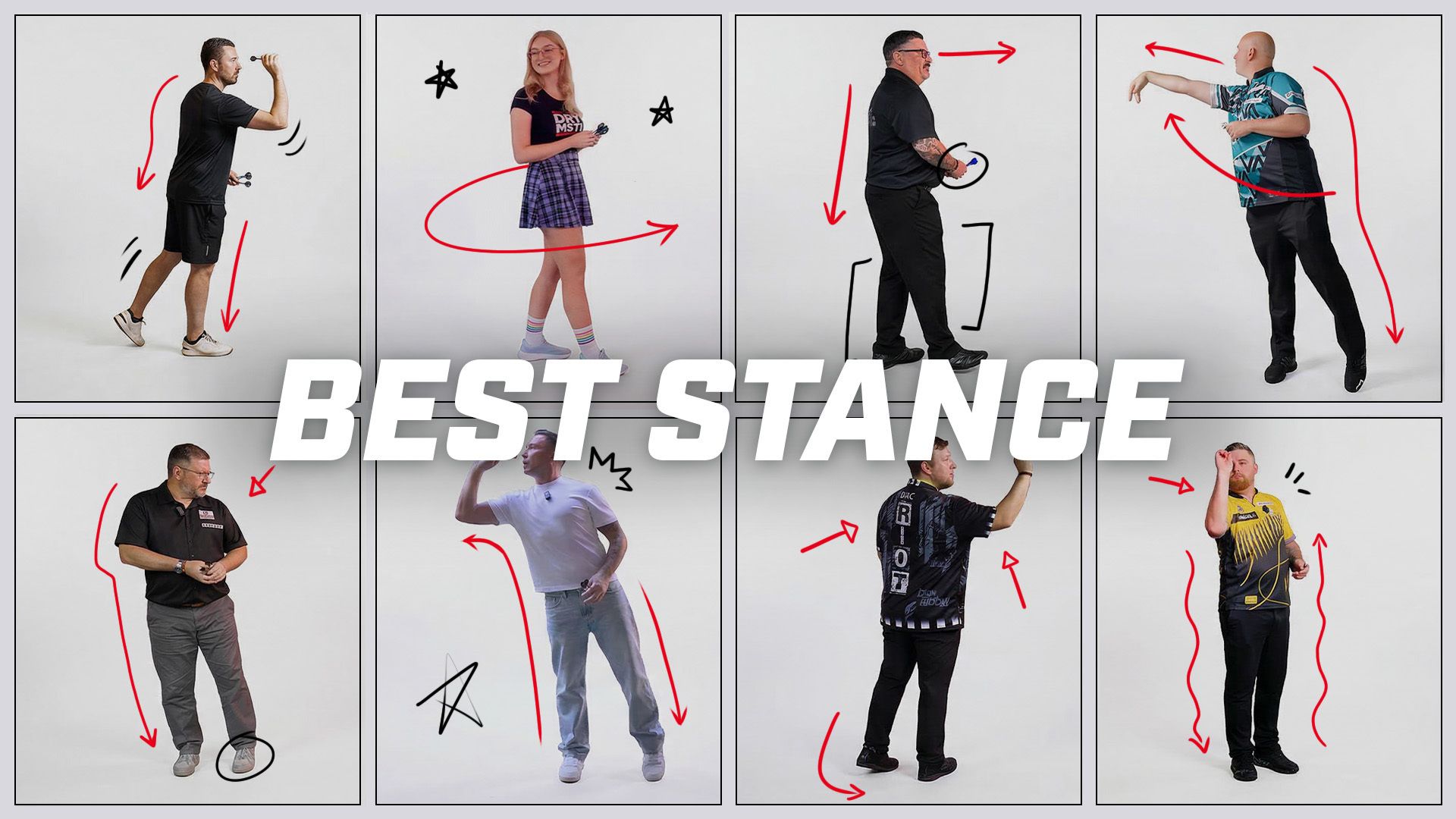
You’ve got your stance locked in. Now it’s time for the part that actually controls your dart: your grip, your aim and your preparation. If you’re still working on your stance and position at the oche, read our stance guide first, as it forms the foundation of a consistent dart throw.
This is where small details make the biggest difference. A clean release, good timing and a repeatable motion are what separate inconsistent throws from accurate dart technique.
How should you grip a dart for the best control?
Your dart grip directly controls how the dart leaves your hand, and a relaxed grip almost always works best. Most professional players use minimal tension to create a clean and smooth release.
Players like Luke Humphries and Gerwyn Price keep their grip light, focusing on control without squeezing the dart. A common dart grip uses three fingers: thumb, index finger and one supporting finger.
The key principle is simple: fewer fingers often lead to a cleaner release. If one finger releases earlier than the others, the dart becomes unstable and can start to fishtail through the air.
That doesn’t mean more fingers are wrong. You can use four fingers if it feels natural, as long as your release stays even and controlled.
How hard should you hold your dart?
The ideal dart grip pressure sits between too loose and too tight.
If you hold the dart too loosely, it can feel unstable and slip during the throw. If you grip too hard, your hand becomes tense, which affects your timing and leads to fatigue.
A tight grip often causes players to over-throw or pull their darts off target. Many players describe it as feeling like lifting a weight instead of throwing naturally.
The goal is a relaxed hold where the dart feels secure but not forced. This allows your arm to move freely and keeps your throw consistent.
How should you aim in darts?
Dart aiming is less about looking at the target and more about timing your release correctly.
Players like Rob Cross focus heavily on the exact moment they release the dart. Release slightly too early and the dart goes high. Release slightly too late and it drops low.
Some players aim directly at the target, while others use the dart itself as a reference point. For example, Gary Anderson often sights through his flight to line up his throw.
There is no single correct aiming method. The key is finding a reference point that feels natural and helps you repeat the same release every time.
Why is release timing more important than power in darts?
Power does not control your throw, timing does.
Throwing harder does not automatically make you more accurate. In fact, increasing speed often makes timing more difficult, which leads to inconsistent darts.
The most consistent players focus on a smooth forward motion and a clean release. All the power should come from the forward movement, not from pulling the dart back.
A controlled throw with correct timing will always outperform a powerful but inconsistent throw.
How should you prepare your dart before throwing?
Dart preparation sets up your entire throw, and simpler is usually better.
Some players, like Peter Wright, set the dart before pulling back. Others, like Michael van Gerwen, rely on natural rhythm with minimal movement.
There are also players like James Wade who keep their setup very still and repeat the same motion every time.
Too much preparation can break your rhythm. Adding extra movements often leads to overthinking, which reduces consistency.
The best approach is to keep your dart preparation simple and repeatable.
What can you learn from professional dart players?
Professional players use different dart techniques, but they follow the same core principles.
Rob Cross focuses on release timing
Gerwyn Price uses a light grip with strong extension
Ryan Searle prefers a firmer grip with aggressive barrels
Michael van Gerwen relies on rhythm and minimal preparation
Different styles, but the same goal: a consistent and repeatable dart throw.
The takeaway is not to copy one player exactly, but to build a dart technique that feels natural and works for you.
FAQ
Conclusion
A consistent dart throw comes down to three key elements: dart grip, aiming and preparation. Keep your grip relaxed, focus on your release timing and avoid overcomplicating your setup. Combined with a solid stance, these elements form the foundation of a reliable and repeatable dart technique.
If you want to improve your throw, start by experimenting with your grip and timing. Small adjustments can make a big difference in your accuracy and control.
related blogs
I Want to Start Darting. Which Darts Do I Need?
How do you improve your dart stance and position at the oche?

What darts does Luke Littler use? Discover his throw, technique and dart setup


